

Canada’s new deepfake legislation is making headlines, but the conversation around Bill C-16 shows a much bigger problem: we’re writing 21st-century laws using 20th-century assumptions about how technology works.
The bill is aimed at stopping non-consensual AI images — especially sexual, violent, or degrading deepfakes — and the intention is absolutely valid. Nobody disputes the harm these images can cause. But the wording relies on broad, catch-all terms like “deepfake” without recognizing how today’s AI tools actually generate likenesses.
And this is where things get complicated fast.
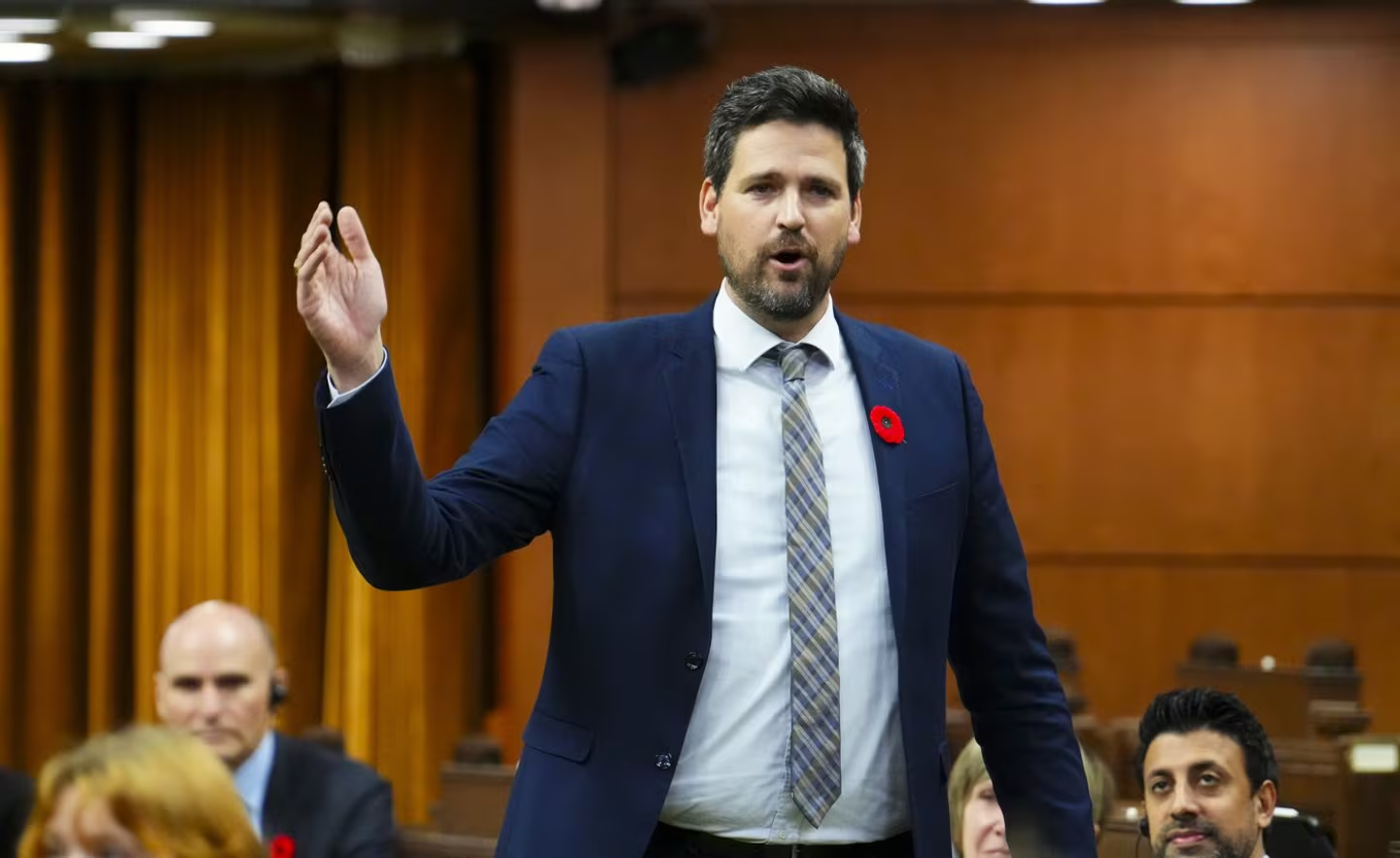
The gap between what lawmakers think a “deepfake” is and what modern AI actually does
In older systems, a deepfake was basically a manipulated video or an edited image. Something you could point at.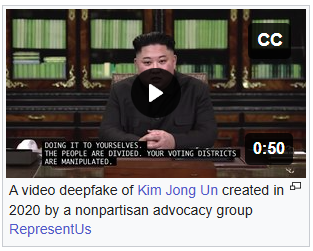
But with today’s tools — especially fine-tuned models and LoRAs — a person’s likeness can be embedded inside the model’s internal weights without a single photo being shared or distributed. The model learns patterns and features rather than storing files.
So under Bill C-16, what counts as:
- distribution
- representation
- harm
- consent
if no physical image exists?
This is the grey area that creators, victims, lawyers, platforms, and policymakers all need help navigating.
Where zGenMedia comes in
zGenMedia (Generation Z Media) specializes in the intersection of digital culture, youth communities, and emerging technology. We work with governments, platforms, and educators to translate complex technical issues into language that real people — and real legislation — can actually use.
The goal isn’t to defend harmful content. It’s to make sure laws aren’t so broad that they criminalize ordinary creators, or so vague that they fail to protect victims.
1. Helping lawmakers define what the law is actually talking about
Right now, “deepfake” is being used as a blanket term that covers:
- explicit sexual deepfakes
- political impersonations
- model-trained likenesses
- harmless stylistic outputs
- satire or parody
- face-swapped memes
These are not the same thing.
zGenMedia helps policymakers understand the distinctions between:
- training data vs. outputs
- embedded likeness vs. redistributed photos
- style mimicry vs. identity reproduction
- model weights vs. stored personal images
Laws need to name these differences clearly, or enforcement becomes guesswork.
2. Designing practical consent and intent frameworks
Consent is not one-size-fits-all.
Intent matters.
Context matters.
We help government bodies think through:
- How consent can be expressed or revoked
- What counts as malicious vs. harmless use
- How satire, critique, and commentary should be treated
- How platforms can make consent tools standardized and auditable
This turns the law from a blunt instrument into something that actually reflects how people create and share media today.
3. Building guidelines creators and platforms can actually follow
Regulation falls apart when the people affected by it don’t know what they’re supposed to do.
zGenMedia works with creators, content platforms, and compliance teams to develop:
- disclosure standards
- watermarking norms
- labeling conventions
- red-flag categories (non-consensual nudes, impersonation, political manipulation)
- clear escalation and response protocols when someone’s likeness is abused
This is where we bridge policy and practice — ensuring protection for victims without stopping innovation or legitimate artistic expression.
4. Helping government bodies avoid fear-driven policymaking
The rise of generative media is fast, confusing, and emotional. But if laws are shaped by panic instead of technical reality, they end up:
- over-criminalizing creators
- under-protecting victims
- failing to anticipate emerging threats
- creating loopholes that benefit bad actors
zGenMedia offers the perspective of people who actually live in digital culture every day — creators, technologists, young users, marginalized communities, and safety advocates.
5. Supporting Canada as a potential global test case
Many countries are watching how Canada handles Bill C-16.
If Canada gets this right, it becomes a model.
If Canada gets this wrong, it becomes a warning.
zGenMedia is equipped to help with:
- government roundtables
- expert testimony
- policy design workshops
- public-facing explainers
- training for legal teams and investigators
Our goal is to help create laws that protect people and make sense in a world where AI models generate representations without ever storing a single photo.
If you’re working in policy, law, tech, or creator advocacy — this is the moment to bring in specialists.
You need people who understand:
- how models actually learn
- how creators actually work
- how marginalized groups are disproportionately affected
- how young users navigate digital identity and consent
- how platform culture shapes risk
That’s where zGenMedia stands out.
If you want deepfake laws that actually work — laws that protect victims without criminalizing normal creative workflows — it has to be built with input from the people who understand the ecosystem from the inside.
zGenMedia is ready to help build that bridge.